Quick Answer The choice between lined and metal-seated butterfly valves depends on process media, not inherent superiority. Lined valves, using PTFE or rubber, offer excellent chemical […]
Quick Answer Choosing the correct stainless butterfly valve for corrosive media requires matching the steel grade—304, 316, or 316L—to the specific chemical environment. The seat material […]
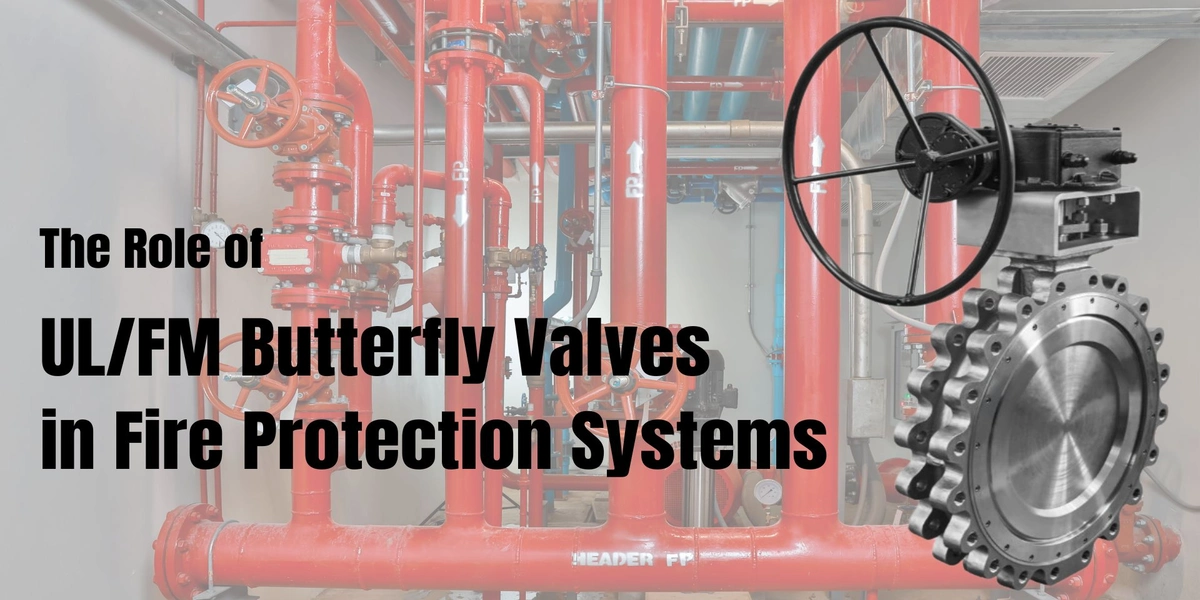
Quick Answer UL/FM butterfly valves are essential for fire protection systems, controlling water flow in sprinklers and standpipes. Certified by independent labs, they ensure safety and […]
Quick Answer AWWA butterfly valves are quarter-turn flow-control devices built to American Water Works Association standards, primarily for water treatment, distribution, and wastewater systems. Sizes range […]
Quick Answer The choice between stainless steel and carbon steel ball valves depends on media corrosiveness, environment, pressure, temperature, and budget. Stainless steel offers superior corrosion […]
Quick Answer Selecting ball valves for natural gas requires specialized materials, certifications, and design features, unlike standard water valves. Key factors include media compatibility (e.g., NACE-compliant […]
Quick Answer The article clarifies the differences between V-port ball valves and segmented ball valves, which are often confused. V-port valves feature a notched ball for […]
Quick Answer In pulp and paper manufacturing, V-port ball valves prevent clogging and reduce maintenance by using a shearing action to cut through fibrous slurries. They […]