Quick Answer Nickel-plated butterfly valves resist corrosion and erosion in aggressive environments like seawater and acidic systems. Nickel alloys and aluminum bronze are chosen over cheaper […]
Quick Answer Selecting the correct gasket for butterfly valves is critical, as mistakes cause leaks and premature wear. Selection depends on valve seat structure, flange conditions, […]
Quick Answer A butterfly valve can serve both isolation and throttling, but its use for flow control is limited to systems with moderate accuracy needs. Its […]
Quick Answer Metal-seated butterfly valves are ideal for abrasive mining slurries because their hard metal surfaces resist erosion far better than soft elastomer seats. They maintain […]
Quick Answer Aluminum bronze butterfly valves, made from alloys like C95500, are essential for flow control in high-salinity environments such as offshore rigs and desalination plants. […]
Quick Answer Pairing a butterfly valve with a butterfly check valve stabilizes pump station flow and prevents backflow. The isolation valve regulates flow, while the check […]
Quick Answer FGD systems require valves that withstand abrasive limestone slurry, impacting uptime and maintenance costs. High-performance butterfly valves are ideal due to their compact design […]
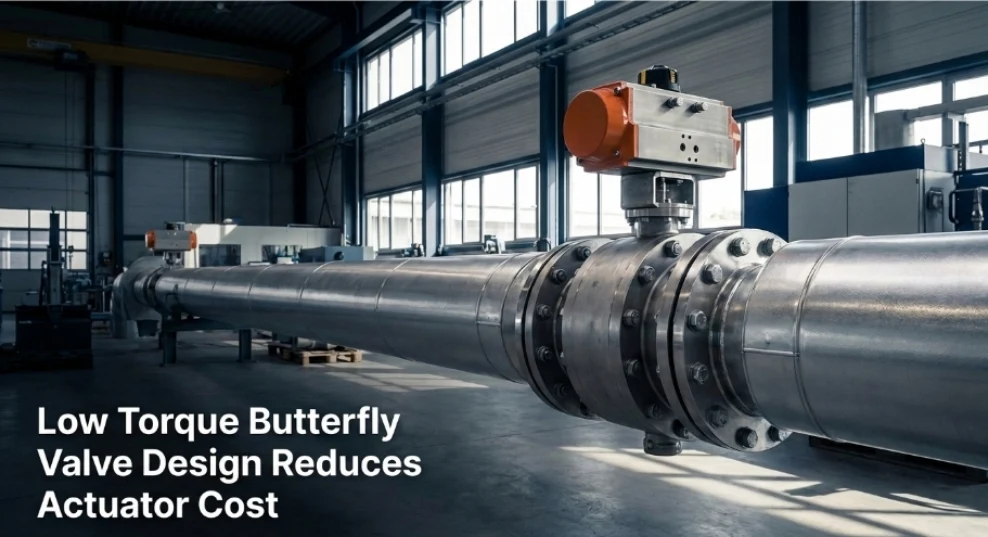
Quick Answer In industrial flow control, butterfly valve torque is the primary driver of capital expenditure, and engineers often over-size actuators with excessive safety factors. By […]
Quick Answer The article highlights the triple offset bidirectional butterfly valve, engineered with aluminum bronze construction for demanding piping systems. Its cam-action, frictionless design ensures leak-free […]